

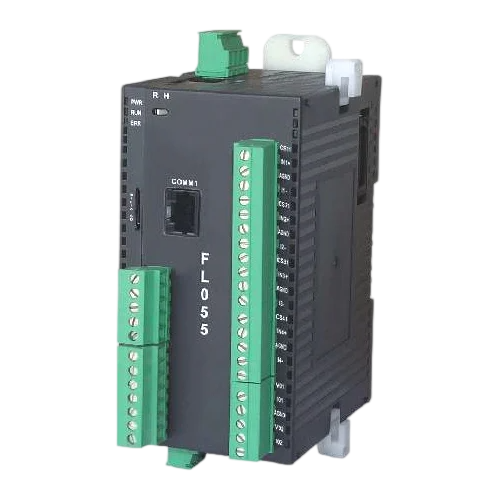
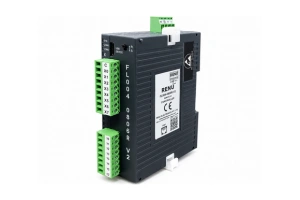
FlexiLogics PLC (Programmable Logic Controller) systems are advanced industrial controllers designed to automate machines, processes, and production systems with precision and reliability. Acting as the central control unit of an automation system, PLCs receive input signals from sensors and devices, process programmed logic, and execute output commands to control equipment in real time.
FlexiLogics PLCs offer flexible configuration options, high-speed processing capabilities, and seamless integration with HMIs, SCADA platforms, sensors, drives, and industrial communication networks. Their robust architecture makes them suitable for a wide range of industrial automation applications, from standalone machines to complex production lines.

ECO Series PLC with 8 Digital Inputs, 6 Relay Outputs
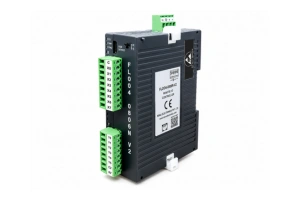
ECO Series PLC with 8 Digital Inputs, 6 NPN Digital Outputs
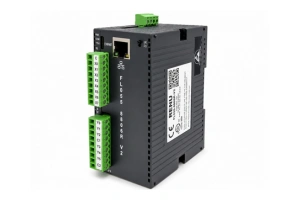
Standard Series PLC with 8 Digital Inputs, 6 Relay
Outputs
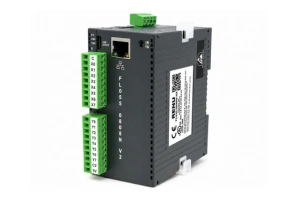
Standard Series PLC with 8 Digital Inputs, 8 NPN Digital
Outputs
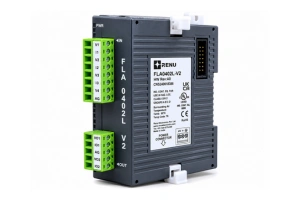
The FP4 Series offers advanced visualization capabilities with larger display options and enhanced communication features. Designed for sophisticated industrial processes, these HMIs support real-time monitoring, machine diagnostics, and seamless integration with automation systems.

4 Linear Inputs 16 Bit, 2 Analog Outputs 12 Bit.
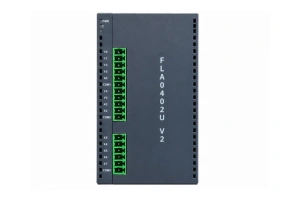
4 Universal Inputs 16 Bit, 2 Analog Outputs 12 Bit for PLC
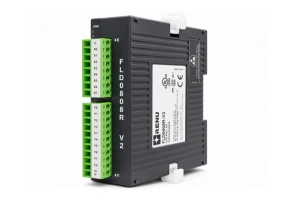
8 Digital Input and 8 Digital Relay Type Output Module
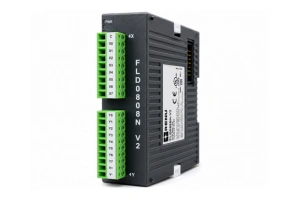
8 Digital Input and 8 Digital NPN Type Output Module
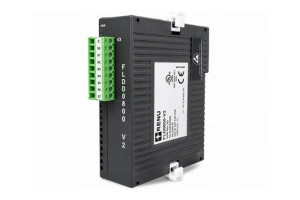
8 Digital Input (Bi Directional) which work with FL series base
PLCs.
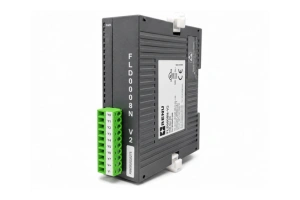
8 Digital Output NPN type which work with FL series base
PLCs.
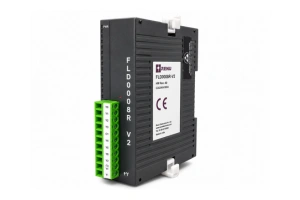
8 Digital Output ,Relay type which work with FL series base
PLCs.
FlexiLogics PLCs provide the speed, flexibility, and reliability required to automate industrial processes efficiently. Industries trust PLC-based automation systems to improve production performance, reduce manual intervention, and support smarter manufacturing operations.
Ensures accurate and consistent operation of industrial equipment and processes.
Executes control logic rapidly for improved machine performance and responsiveness.
Supports additional modules and devices as operational requirements grow.
Provides stable operation and quick fault detection for enhanced productivity.
Communicates efficiently with HMIs, SCADA systems, drives, and industrial networks.
Automates repetitive tasks and optimizes production processes.